he geographic area of the Native American Northeast extends from the province of Quebec in modern-day Canada, through the Ohio River Valley, and down to the North Carolina coast. The Northeastern landscape is dominated by the Appalachian Mountains, which include rolling hills and prominent peaks.
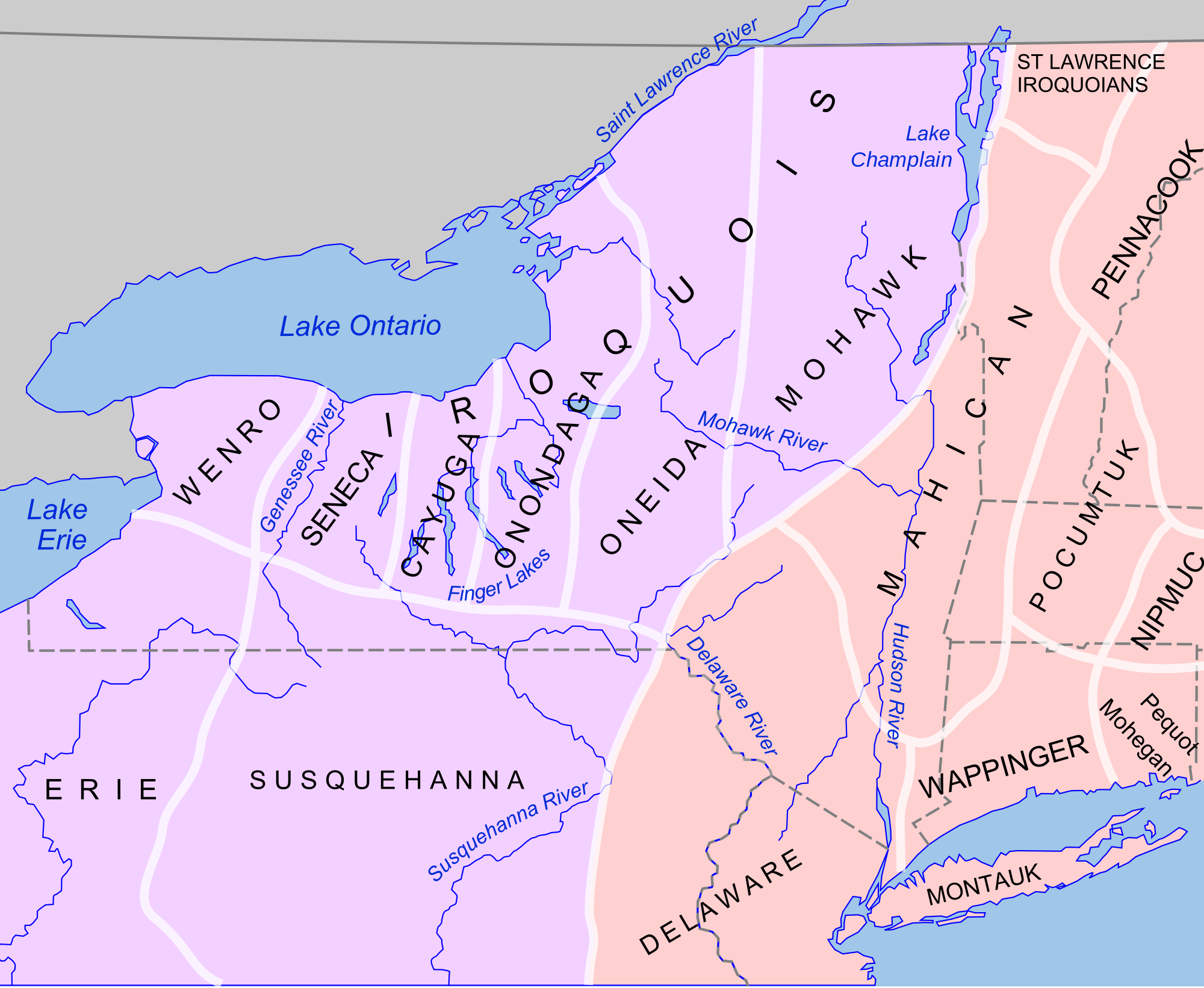
Native Americans settled extensively in this area, especially during the Hopewellian period from 200 BCE to 500 CE, due to the temperate climate, accessible waterways, and good farming conditions. The most notable groups in this area include the Algonquians, Iroquois, Susquehannocks, Mohicans, and Hurons.
Sister Farming
The Hopewellian period included the cultural shift from hunting and gathering to budding agricultural systems. Some historians estimate that Native Americans were farming squash in Illinois as early as 5000 BCE. Corn farming spread through trading networks to the Ohio River Valley from the Southwest by 350 BCE. They soon began to plant and grow beans.
Together, the corn, squash, and beans, became known as the sacred “three sisters,” a term coined by the Iroquois people. According to the Iroquois, the three crops would only thrive if planted close together.
Algonquians retained hunting and gathering as a source of food while beginning to farm. Women would gather berries and cultivate the cornfields, while men would hunt and occasionally aid in farming. Northeastern indigenous people living near rivers would fish salmon and collect shellfish, as well. With an abundance of food, Iroquois and Hurons made intricate pottery to store the surplus. They also wove baskets to aid in the farming process.
Social Structure
All “three sisters” quickly became cash crops, a crop in high demand by Native Americans on the Plains and West Coast who were eager to trade. They received large shells, pearls, copper, and silver in return for the foods. Groups within the region would trade food and commodities with other Northeastern peoples, depending on their area’s niche good. For example, the Susquehannocks of Pennsylvania traded wampum beads for nets and furs from the Hurons of the Great Lakes region.
Indigenous people in the Northeast generally lived in villages with a few hundred residents. Hochelaga, modern-day Montreal, was inhabited by several thousand people and surrounded by extensive cornfields. In agricultural Hopewellian societies, men planted and harvested, while women worked in the home, took care of the children, and processed the crops.